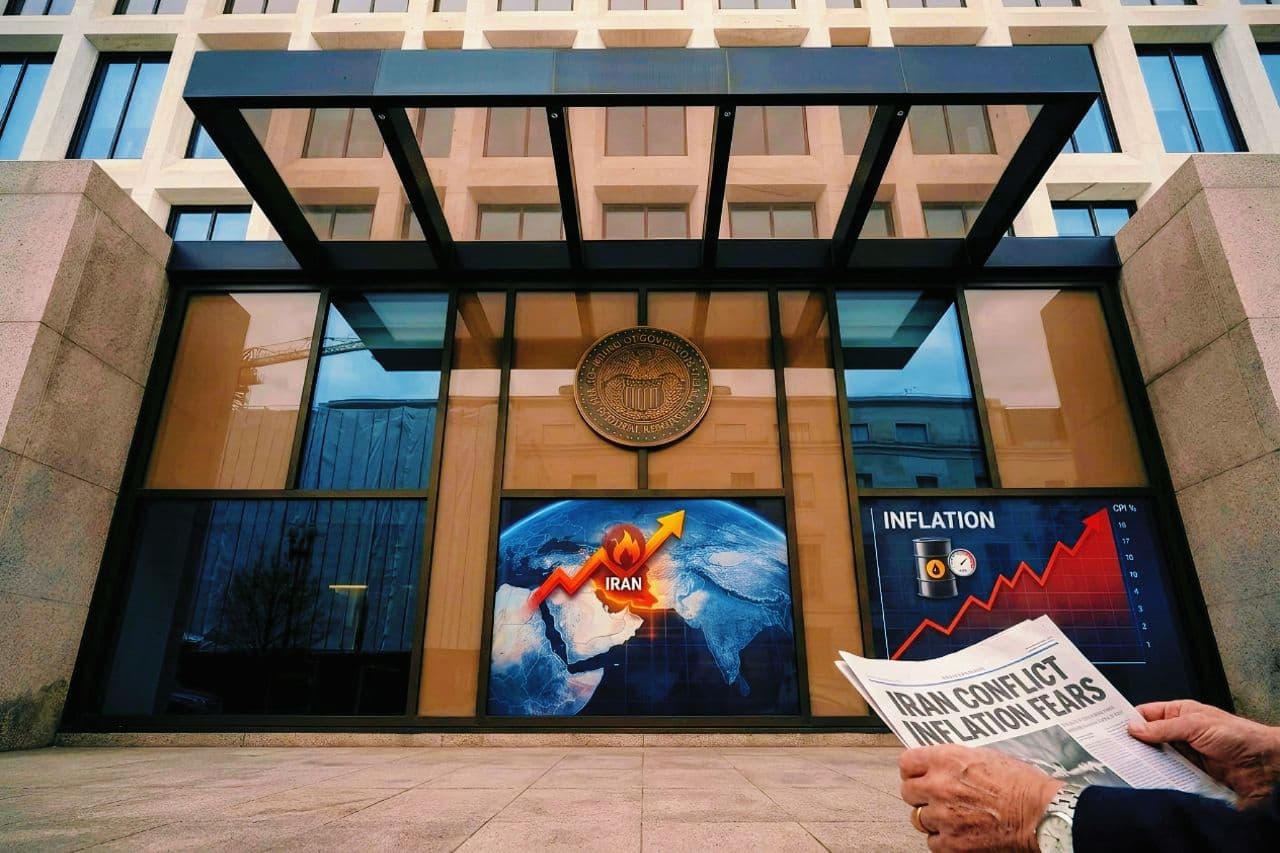
Iran Conflict Complicates Fed’s Inflation Fight and Rate Cut Outlook
- The U.S. strike on Iran has already driven energy prices higher, raising fresh challenges for the Federal Reserve’s inflation fight. Economists warn that the surge in oil and gas costs could complicate the Fed’s efforts to bring inflation back to its 2% target, especially if the conflict disrupts global energy flows for an extended period.
- The U.S. strike on Iran has already driven energy prices higher, raising fresh challenges for the Federal Reserve’s inflation fight. Economists warn that the surge in oil and gas costs could complicate the Fed’s efforts to bring inflation back to its 2% target, especially if the conflict disrupts global energy flows for an extended period.
- John Williams of the New York Fed noted that financial market reactions have been “reasonably muted” so far, but emphasized that persistence of the conflict could alter inflation expectations. Jeffrey Schmid of the Kansas City Fed added that inflation has been above the Fed’s target for nearly five years, leaving little margin for error.
- Traders have already adjusted their expectations for monetary policy. The CME FedWatch tool shows a rising probability that the Fed will hold rates steady through midyear, clouding the outlook for rate cuts later in 2026. A prolonged war could derail those expectations, forcing the Fed to remain cautious in its approach.
Key Takeaways
Iran Conflict Fuels Energy Price Surge, Fed’s Inflation Battle Intensifies
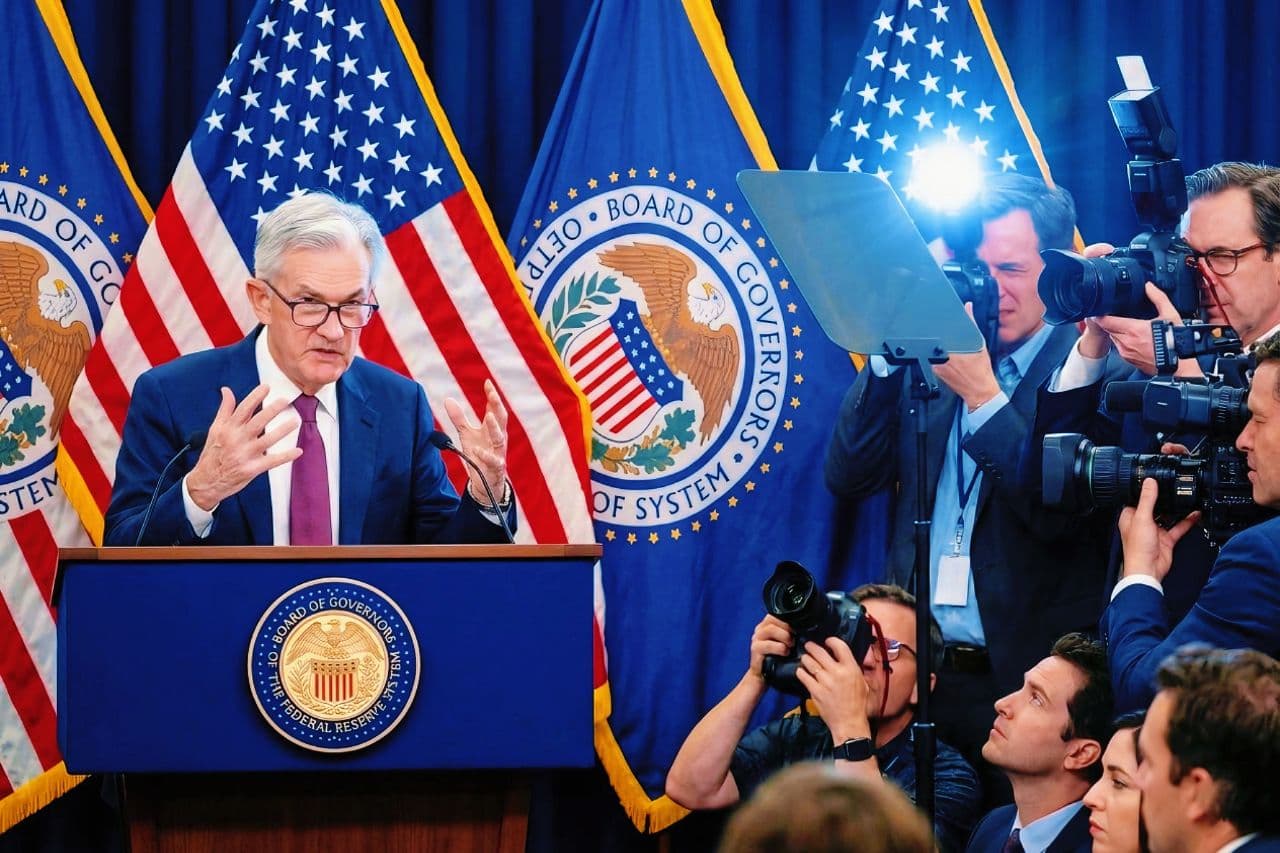
The U.S. strike on Iran has complicated the Federal Reserve’s already difficult task of balancing inflation control with employment stability. Fed officials, like other forecasters, are waiting to see how the conflict unfolds, how long it lasts, and how severely it disrupts the U.S. economy.
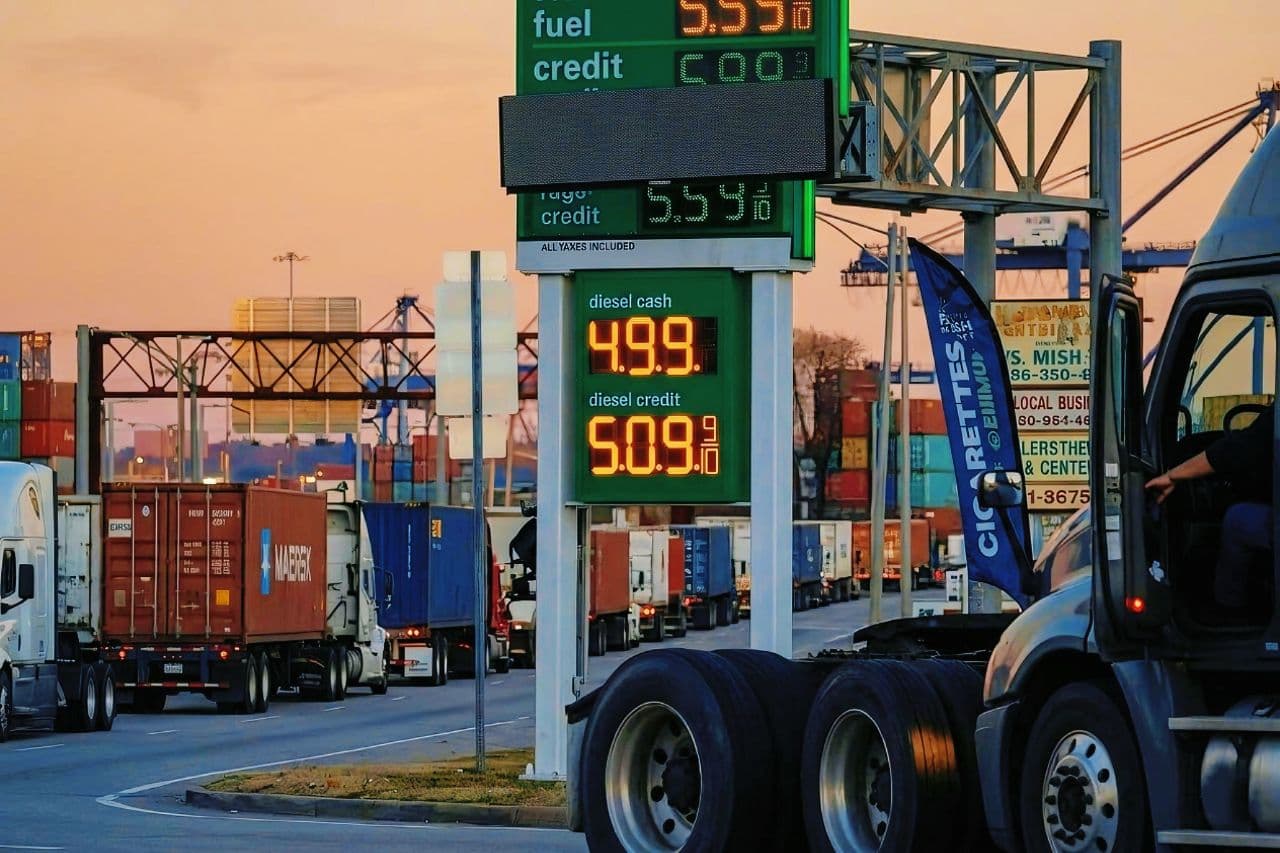
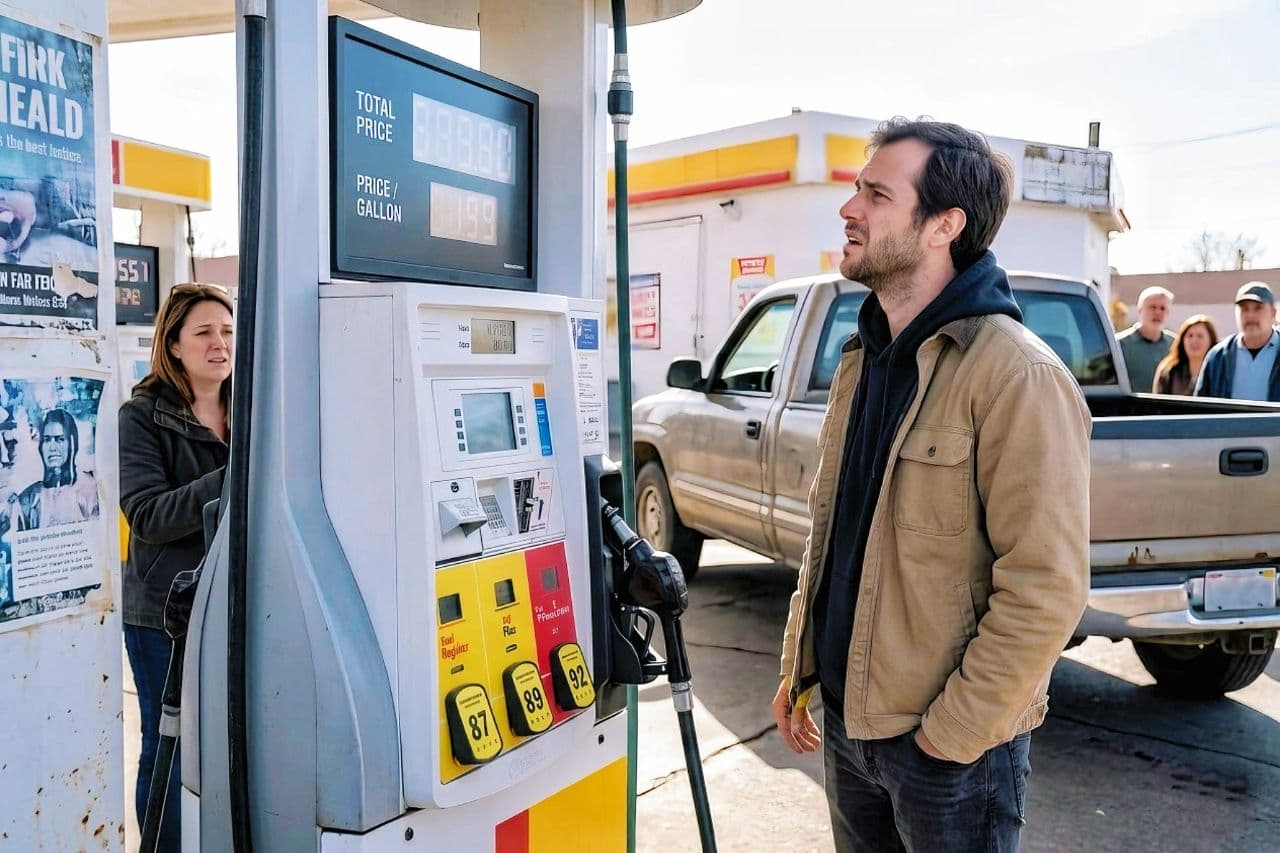
Energy markets have already reacted sharply. West Texas Intermediate crude is up 8% since the conflict began, while gas prices climbed 10 cents to $3.11 per gallon, according to AAA. These increases highlight the immediate inflationary pressures the Fed must contend with as it works toward its 2% target.
The spike in energy prices has direct implications for monetary policy. If the war spreads or drags on, disruptions to Middle Eastern oil exports could intensify, driving U.S. energy costs higher and complicating the Fed’s path forward. Economists warn that prolonged instability could undermine consumer confidence and weigh on growth.
On Wednesday, two Fed officials confirmed they are closely monitoring the situation. Their comments underscore the uncertainty surrounding the conflict’s duration and its potential to reshape inflation expectations, interest rate decisions, and overall economic resilience.


The U.S. strike on Iran has complicated the Federal Reserve’s already difficult balancing act of managing inflation while supporting employment. Rising energy prices are the most immediate challenge, with crude oil up 8% since the conflict began and gas prices climbing to $3.11 per gallon. These increases threaten to push inflation higher, making the Fed’s 2% target harder to achieve.
Fed officials, like other forecasters, are waiting to see how the war unfolds and how long it lasts. The duration of the conflict will determine whether the energy price spike remains temporary or evolves into a sustained inflationary shock. If disruptions to Middle Eastern oil exports persist, the Fed may be forced to adjust its policy stance more aggressively.
The war’s impact on borrowing costs is particularly important. If the Fed reacts to war-related inflation pressures by delaying or reducing rate cuts, households and businesses could face higher financing costs. This would weigh on consumer confidence, slow investment, and potentially drag on economic growth.
Ultimately, whether the conflict results in a short-term blip or a deeper economic challenge depends on its duration and severity. For now, the Fed is monitoring developments closely, knowing that its response could shape the trajectory of inflation, interest rates, and overall economic stability.


Iran Conflict Adds Uncertainty to Fed’s Inflation Outlook
Neel Kashkari, president of the Minneapolis Fed, explained that the war’s impact on inflation could range from minimal similar to the Israel-Hamas conflict in 2023 to severe, as seen during Russia’s invasion of Ukraine in 2022. He emphasized that it is too early to know how long-lasting the inflationary imprint will be, but acknowledged that monetary policy will inevitably be affected.
Speaking at a Bloomberg event, Kashkari noted that the Fed cannot ignore geopolitical shocks when they influence inflation. He pointed out that the surge in energy prices following Russia’s invasion had clear consequences for policy decisions, and the same could happen if the Iran conflict drags on.
John C. Williams, president of the New York Fed, added that financial market reactions have been “reasonably muted” so far. While he did not address the war in prepared remarks, he told reporters afterward that the persistence of the conflict will determine its inflationary effects.
Together, these comments highlight the uncertainty facing the Federal Reserve. If the war is short-lived, inflationary pressures may remain contained. But if it escalates or disrupts energy flows for an extended period, the Fed’s path on interest rates could shift significantly, complicating its efforts to stabilize prices and maintain growth.


Iran Conflict Adds Inflation Risks, Fed Rate Cut Outlook Shifts
The war’s uncertainty comes at a time when Federal Reserve officials are divided over whether inflation or labor-market weakness poses the greater threat to the central bank’s dual mandate. Prices rose 3% over the past year, according to the Fed’s preferred consumer price measure, remaining above the 2% target since 2021. Meanwhile, the job market has avoided mass layoffs but is adding only modest numbers of jobs outside of health care.
Jeffrey Schmid, president of the Kansas City Fed, warned against complacency, noting that inflation has been above the Fed’s objective for nearly five years. He did not address the Iran conflict directly in his prepared remarks, but his comments underscored the persistent challenge of inflationary pressures.
John C. Williams, president of the New York Fed, struck a more optimistic tone. He acknowledged that tariffs have been pushing up consumer prices, keeping inflation stubbornly high, but said he anticipates inflation to ease later this year once the peak effects of tariffs fade. His outlook suggests some confidence in the Fed’s ability to regain control over price stability.
Despite expectations that the Fed would resume cutting interest rates later in the year, the Iran conflict has clouded that outlook. Traders have already dialed back bets on rate cuts, with CME FedWatch showing a 56% chance the Fed will hold rates steady through June, up from 50% a week earlier. A prolonged war could derail those expectations, forcing the Fed to remain cautious in its policy decisions.


The Bottom Line
The U.S. strike on Iran has injected fresh uncertainty into the Federal Reserve’s policy path. Energy prices are already climbing, with crude oil and gasoline costs rising, which complicates the Fed’s efforts to push inflation back to its 2% target.
Fed officials remain cautious, stressing that the ultimate impact depends on how long the conflict lasts and how severely it disrupts global energy flows. Short-lived instability may only cause temporary volatility, but a prolonged war could magnify inflationary pressures and force the Fed to hold rates higher for longer.
Markets are already adjusting expectations. Traders have dialed back bets on rate cuts later this year, with CME FedWatch showing a stronger probability that the Fed will keep rates steady through midyear. This shift underscores how geopolitical risks can quickly reshape monetary policy outlooks.
In short, the Iran conflict has made the Fed’s path more uncertain. Whether it results in a modest blip or a deeper economic challenge depends on the duration and scope of the war, but for now, inflation risks are rising and rate cut expectations are fading.